The Concert for Bangladesh
Music, Documentary
Storyline
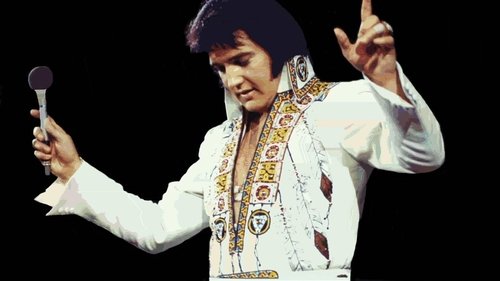
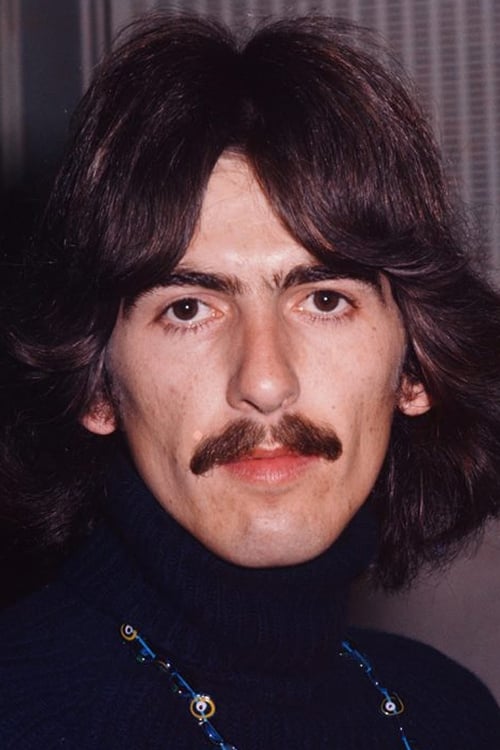
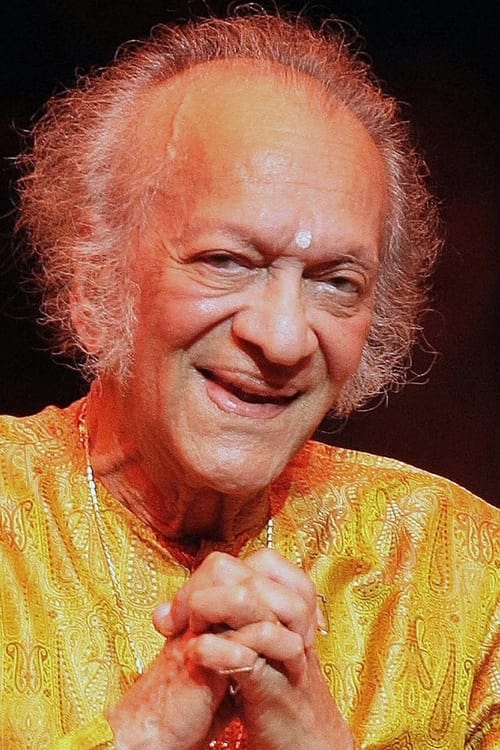
A film about the first benefit rock concert when major musicians performed to raise relief funds for the poor of Bangladesh. The Concert for Bangladesh was a pair of benefit concerts organised by former Beatles guitarist George Harrison and Indian sitar player Ravi Shankar. The shows were held at 2:30 and 8:00 pm on Sunday, 1 August 1971, at Madison Square Garden in New York City, to raise international awareness of, and fund relief for refugees from East Pakistan, following the Bangladesh Liberation War-related genocide.
Community Reviews
No community reviews yet.
Reviews from the Web
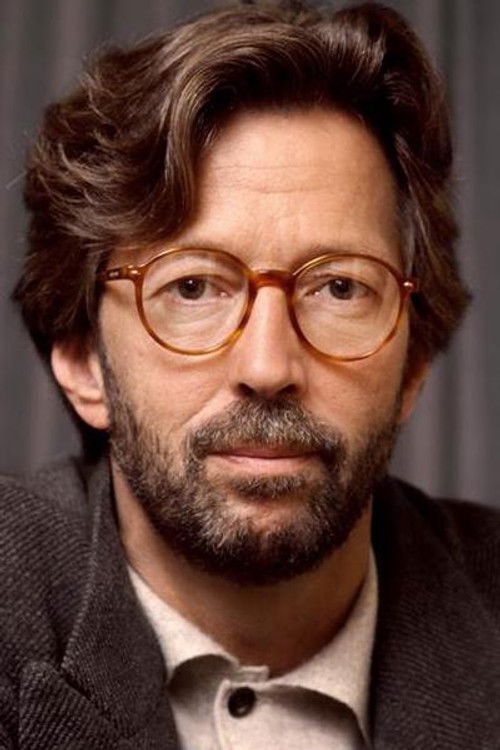
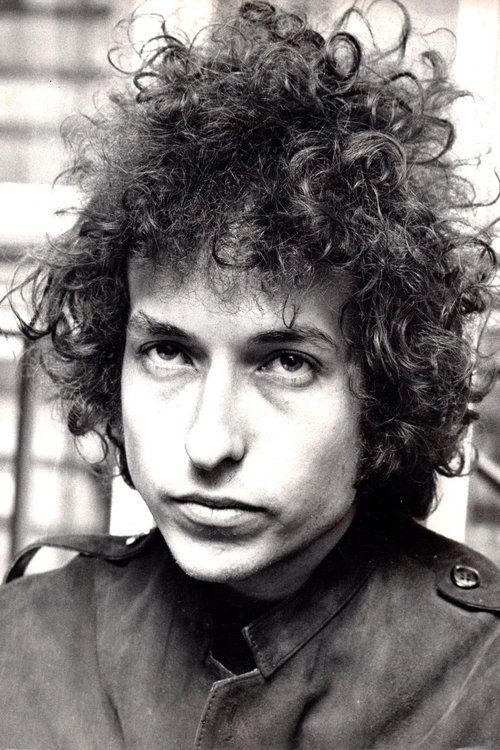
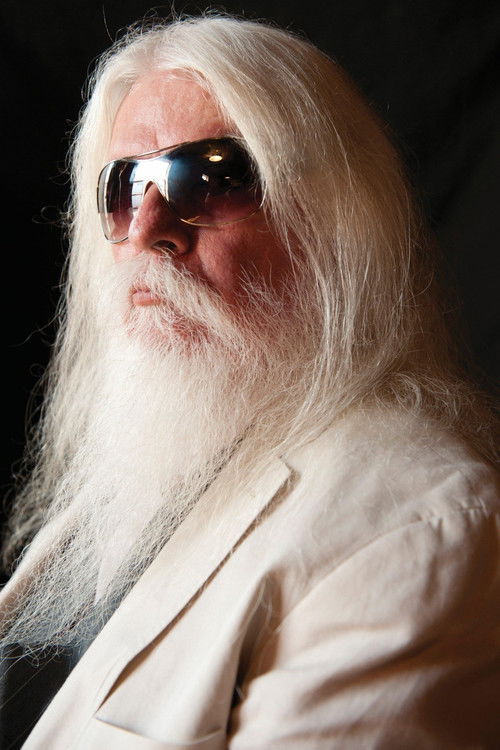
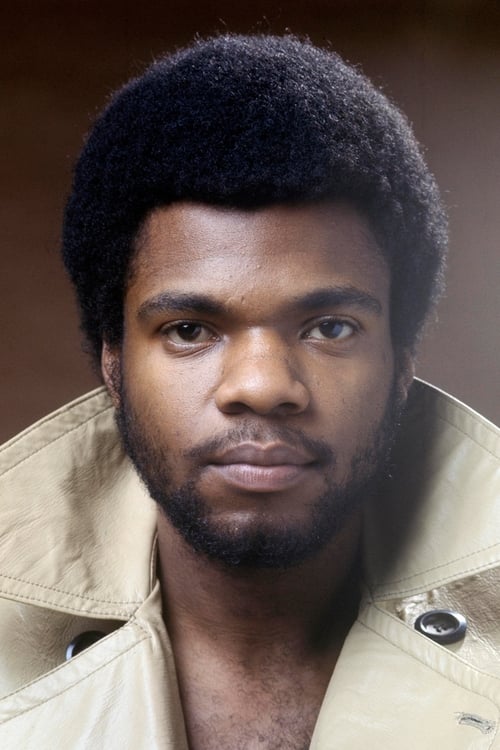
"In 1971, George Harrison and Friends staged one of the first benefit concerts ever at Madison Square Garden. The concert alone raised almost a quarter of a million dollars to combat poverty and starvation in Bangladesh, and the ensuing live album also generated funds. The concert was filmed, blown up to 70mm and shown in stereo, also contributing to the cause. George Harrison had some very highly regarded friends. The film itself, directed by Saul Swimmer, does not provide much information about what exactly we are benefiting in Bangladesh. There is a brief opening press conference, and heartbreaking footage of the starvation that was occurring half way around the world, but the film makers (Harrison co-produced the film) jump immediately into the music. All of the performers played for free, with some flying long distances to take part in the event. Harrison also co-produced the music with Phil Spector, whose Wall of Sound touch is brought into a live format. The superband here is huge. George Harrison is the main player, with Eric Clapton and Jesse Ed Davis on guitar. Piano features Leon Russell, bass is Klaus Voorman, and the drummers are Ringo Starr and Jim Keltner playing at the same time. The acoustic guitars are made up of the rock group Badfinger, and Billy Preston plays organ and provides vocals. Bob Dylan uses some of the musicians for his stripped-down set. There are half a dozen back-up singers, and a brass section consisting of the Hollywood Horn Players featuring Jim Horn. The first few minutes of the film are very odd, and very rewarding. Ravi Shankar and Ustad Ali Akbar Khan come out to play native Asian Indian instruments sitar and sarod. Harrison begs for patience, Shankar begs for more patience, the audience applauds the tuning of the instruments, and then Shankar and his small group of three other musicians launch into a song entitled “Bangla Dhun” that stops everyone in their tracks. The sitar and sarod look like giant banjos with tumors on them, but the sound produced, along with another stringed instrument and small bongo-looking drums, is dramatic and listenable. It reminded me of a very good film soundtrack. The audience showed their appreciation, and then Harrison took the stage. The band starts with “Wah-Wah” before tearing through “My Sweet Lord.” Spiritual songs continue with “Awaiting on You All,” which suffers from awkward camera shots of Harrison and Starr on the same stage ("look, two of the Beatles!"). Billy Preston does “That’s the Way God Planned It,” a hopeful and uplifting song punctuated by Preston’s spontaneous dancing. Ringo Starr vocalizes in a huge sounding “It Don’t Come Easy,” and then Harrison and Leon Russell team on “Beware of Darkness,” a depressing tune that sounds a bit like a James Bond theme. After the band is introduced, Harrison does the classic rock radio staple “Where My Guitar Gently Weeps.” Russell helms a strange combination of the bluesy “Young Blood,” book ended by “Jumpin’ Jack Flash.” After this section, the purely acoustic version of “Here Comes the Sun” was welcome. Bob Dylan comes out, and Russell and Harrison back him with Starr on tambourine. “A Hard Rain’s A-Gonna Fall” comes from a much darker stage as the rest of the super group takes a break. Dylan uses the harmonica with “It Takes a Lot to Laugh, It Takes a Train to Cry”- long title, but a good short song. The group does a nice version of “Blowin’ in the Wind,” and then Harrison and Russell do backing vocals on “Just Like a Woman.” Everyone returns for “Something,” and the band encores with “Bangla Desh,” a strong song interspersed with more too brief footage of the suffering going on in Bangladesh. Because this type of event had not been filmed before, “The Concert for Bangladesh” does have a few problems. One of them is NOT the running time. This comes in at under one hundred minutes, and is the perfect running time for fans and non-fans alike. The physical appearance of the 1971 era performers is kind of funny as the long hair and beards make everyone look about twenty years older than they were. The majority of the songs are recognizable, as are the names of the band. I was not thrilled with the way the songs were often ended with footage of the audience. The audience footage was obviously shot after the lights went up and attendees were leaving. Going from the darkened stage to the lighted audience was jarring enough, but the audience members are obviously leaving as well, which sends the wrong message to the film's audience. You can spot some film cameramen here and there during the concert, edited together from two shows, but they don’t distract from this kind of talent. “The Concert for Bangladesh” is also as well known for its behind-the-scenes fights over things like the album’s distribution, and Clapton’s questionable performance, which I did not think was as bad as some have written. This came out years before Live Aid, and while the super group era seems to be over now, this concert serves as a nice reminder of what rock stars used to do- play their music and release their albums to a waiting public. No reality shows, no hip-hop or rap, just good music."
Read full review →Recommended
Pink Floyd: Live at Pompeii
View Movie →
Stop Making Sense
View Movie →
Led Zeppelin - The Song Remains the Same
View Movie →
Happier Than Ever: A Love Letter to Los Angeles
View Movie →